Skip to content
Goddess Lakshmi

Goddess Lakshmi

लक्ष्मी

The Goddess of Wealth, Fortune, and Prosperity

2 mantras available

About Goddess Lakshmi

Goddess Lakshmi, also known as Shri, Kamala, and Padmavati, is the Hindu goddess of wealth, fortune, beauty, fertility, and auspiciousness. She is the consort of Lord Vishnu and accompanies him in all his avatars — as Sita with Rama, as Rukmini with Krishna, and as Padmavati with Venkateshwara. Lakshmi represents not just material wealth but the eight forms of prosperity (Ashta Lakshmi).

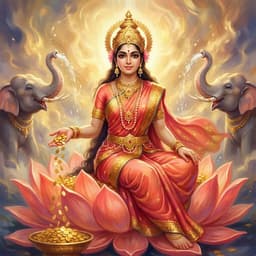
Lakshmi is depicted seated or standing on a fully bloomed lotus, dressed in red or pink garments with gold embroidery. She has four hands: two holding lotus flowers, one in abhaya mudra (gesture of protection), and one showering gold coins representing material blessings. Elephants flanking her pour water, symbolizing royal power and the grace that flows to devoted seekers.

The eight forms of Lakshmi (Ashta Lakshmi) represent different aspects of prosperity: Adi Lakshmi (primeval), Dhana Lakshmi (wealth), Dhanya Lakshmi (grain/food), Gaja Lakshmi (elephants/power), Santana Lakshmi (progeny), Veera Lakshmi (courage), Vijaya Lakshmi (victory), and Vidya Lakshmi (knowledge). Chanting Lakshmi mantras attracts abundance, removes poverty consciousness, and brings material and spiritual prosperity.

Attributes & Symbolism

1Lotus (Padma)
2Gold Coins
3Red/Pink Garments
4Elephants (Gaja)
5Owl (Vahana)
6Kaustubha Gem
7Bilva Fruit
8Kamandalu (Water Pot)

All Goddess Lakshmi Mantras

Frequently Asked Questions

Goddess Lakshmi, also known as Shri, Kamala, and Padmavati, is the Hindu goddess of wealth, fortune, beauty, fertility, and auspiciousness. She is the consort of Lord Vishnu and accompanies him in all his avatars — as Sita with Rama, as Rukmini with Krishna, and as Padmavati with Venkateshwara. Lakshmi represents not just material wealth but the eight forms of prosperity (Ashta Lakshmi). Lakshmi is depicted seated or standing on a fully bloomed lotus, dressed in red or pink garments with gold embroidery. She has four hands: two holding lotus flowers, one in abhaya mudra (gesture of protection), and one showering gold coins representing material blessings. Elephants flanking her pour water, symbolizing royal power and the grace that flows to devoted seekers. The eight forms of Lakshmi (Ashta Lakshmi) represent different aspects of prosperity: Adi Lakshmi (primeval), Dhana Lakshmi (wealth), Dhanya Lakshmi (grain/food), Gaja Lakshmi (elephants/power), Santana Lakshmi (progeny), Veera Lakshmi (courage), Vijaya Lakshmi (victory), and Vidya Lakshmi (knowledge). Chanting Lakshmi mantras attracts abundance, removes poverty consciousness, and brings material and spiritual prosperity.
MantraList.in features 2 mantras dedicated to Goddess Lakshmi. These include various types such as beej mantras, gayatri mantras, stotras, and devotional prayers. Each mantra serves a specific spiritual purpose and carries unique benefits.
All Goddess Lakshmi mantras carry divine power when chanted with devotion and sincerity. The most widely chanted Goddess Lakshmi mantra is often considered to be the primary mantra associated with this deity. The effectiveness of any mantra depends on the practitioner's faith, consistency, and correct pronunciation rather than any inherent hierarchy.
Yes, Goddess Lakshmi mantras can be chanted at home in a clean, quiet space. Face east or north while chanting. You can set up a small altar or simply sit in a calm corner. The most important factors are devotion, regularity, and a peaceful mind. Morning hours (especially Brahma Muhurta) are traditionally considered the most auspicious time.
Worshipping Goddess Lakshmi through mantras and prayers brings spiritual growth, inner peace, and divine blessings. Devotees experience increased clarity, protection from negative energies, fulfillment of righteous desires, and progress on the spiritual path. The specific benefits vary by mantra -- explore each mantra page for detailed information.