Skip to content
Lord Hanuman

Lord Hanuman

हनुमान

The Mighty Devotee and Embodiment of Bhakti

2 mantras available

About Lord Hanuman

Lord Hanuman, also known as Bajrangbali, Maruti, and Anjaneya, is the divine vanara (monkey god) and the greatest devotee of Lord Rama. Son of Vayu (the wind god) and Anjana, Hanuman possesses immense strength, unmatched devotion, and the eight supernatural powers (Ashta Siddhi). His role in the Ramayana as Rama's foremost servant and warrior is legendary — from his leap across the ocean to Lanka, to carrying the Sanjeevani mountain to save Lakshmana.

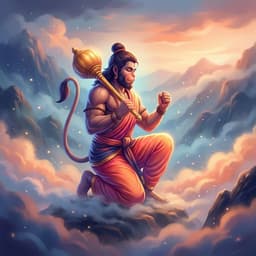
Hanuman is depicted as a muscular vanara with a mace (gada) in his hand, his tail often shown coiled or raised. He is considered chiranjeevi (immortal) and is believed to be present wherever Rama's name is chanted. Opening his chest reveals the image of Rama and Sita within his heart, symbolizing the ultimate ideal of selfless devotion.

Worshipping Hanuman and chanting his mantras removes fear, evil influences, and negative energies. He is the remover of obstacles on the spiritual path, the protector against black magic and malefic planetary influences (especially Saturn/Shani), and the bestower of strength, courage, and unwavering faith. Hanuman Chalisa, composed by Tulsidas, is one of the most recited prayers in Hinduism.

Attributes & Symbolism

1Gada (Mace)
2Sanjeevani Mountain
3Rama-Sita in Heart
4Vayu Putra (Son of Wind)
5Chiranjeevi (Immortal)
6Ashta Siddhi (Eight Powers)
7Tail
8Sindoor (Vermillion)

All Lord Hanuman Mantras

Frequently Asked Questions

Lord Hanuman, also known as Bajrangbali, Maruti, and Anjaneya, is the divine vanara (monkey god) and the greatest devotee of Lord Rama. Son of Vayu (the wind god) and Anjana, Hanuman possesses immense strength, unmatched devotion, and the eight supernatural powers (Ashta Siddhi). His role in the Ramayana as Rama's foremost servant and warrior is legendary — from his leap across the ocean to Lanka, to carrying the Sanjeevani mountain to save Lakshmana. Hanuman is depicted as a muscular vanara with a mace (gada) in his hand, his tail often shown coiled or raised. He is considered chiranjeevi (immortal) and is believed to be present wherever Rama's name is chanted. Opening his chest reveals the image of Rama and Sita within his heart, symbolizing the ultimate ideal of selfless devotion. Worshipping Hanuman and chanting his mantras removes fear, evil influences, and negative energies. He is the remover of obstacles on the spiritual path, the protector against black magic and malefic planetary influences (especially Saturn/Shani), and the bestower of strength, courage, and unwavering faith. Hanuman Chalisa, composed by Tulsidas, is one of the most recited prayers in Hinduism.
MantraList.in features 2 mantras dedicated to Lord Hanuman. These include various types such as beej mantras, gayatri mantras, stotras, and devotional prayers. Each mantra serves a specific spiritual purpose and carries unique benefits.
All Lord Hanuman mantras carry divine power when chanted with devotion and sincerity. The most widely chanted Lord Hanuman mantra is often considered to be the primary mantra associated with this deity. The effectiveness of any mantra depends on the practitioner's faith, consistency, and correct pronunciation rather than any inherent hierarchy.
Yes, Lord Hanuman mantras can be chanted at home in a clean, quiet space. Face east or north while chanting. You can set up a small altar or simply sit in a calm corner. The most important factors are devotion, regularity, and a peaceful mind. Morning hours (especially Brahma Muhurta) are traditionally considered the most auspicious time.
Worshipping Lord Hanuman through mantras and prayers brings spiritual growth, inner peace, and divine blessings. Devotees experience increased clarity, protection from negative energies, fulfillment of righteous desires, and progress on the spiritual path. The specific benefits vary by mantra -- explore each mantra page for detailed information.